Why You Should Stay at a Traditional House in Bali

After staying in a variety of hotels, Airbnbs, and homestays in Bali I was pleasantly surprised that my favorite place to stay in all of Indonesia was also the cheapest. A private room + private bath in a traditional house in Bali never ran me more than 12 USD per night, if I was splitting it with someone else that would only be $6 per person, and yet they were consistently the cleanest and nicest places to stay.
In Indonesia, a lot of modern developments have gone up in the past few decades catering to tourists, at these locations a good price would be between 30-50 USD per night. I stayed in a few of these, and while the WiFi was usually stellar, and the rooms clean, they felt a bit sterile.
Another commonplace to stay in the traditional housing compounds, especially in Bali, that have been renovated and turned into Bed & Breakfasts. Usually family-run, Balinese traditional houses are located in compounds, which are homes to small communities or extended families, and usually have a small temple and Warung attached. A few of the perks I’ve found in staying in a traditional house are:
💸 They’re cheaper
🙋 The hosts (In my experience) are more attentive
🍳 Free homemade breakfast
👪 Supporting small businesses directly
🏠 Traditional Balinese architecture is beautiful
🐱 There’s usually a ton of animals around
For solo female travelers: I felt safer located in a compound than a stand-alone villa or apartment complex
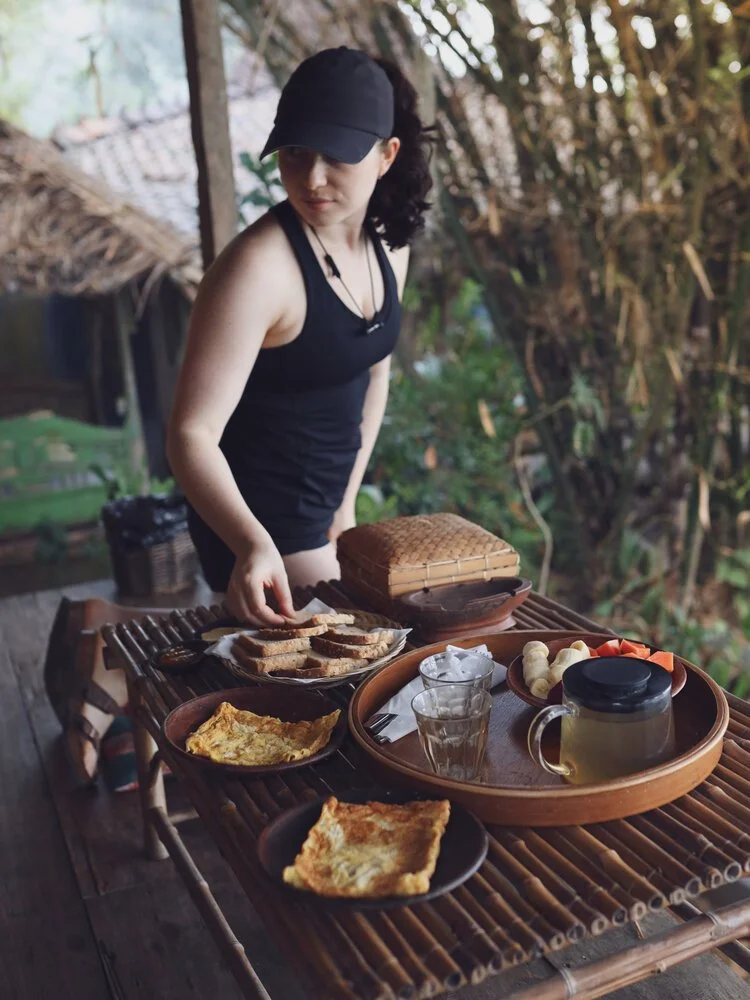
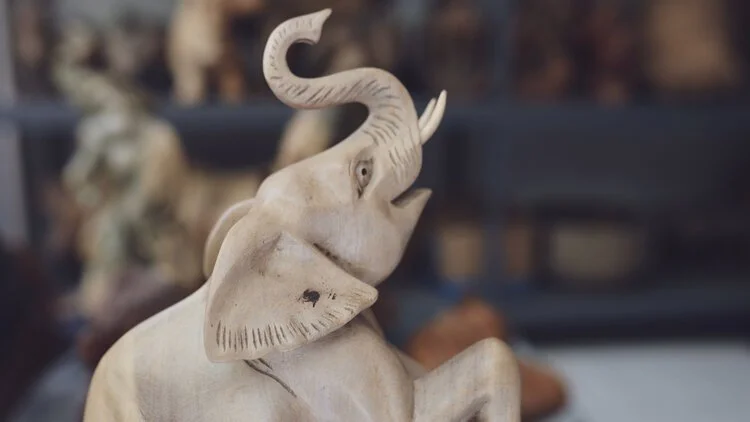
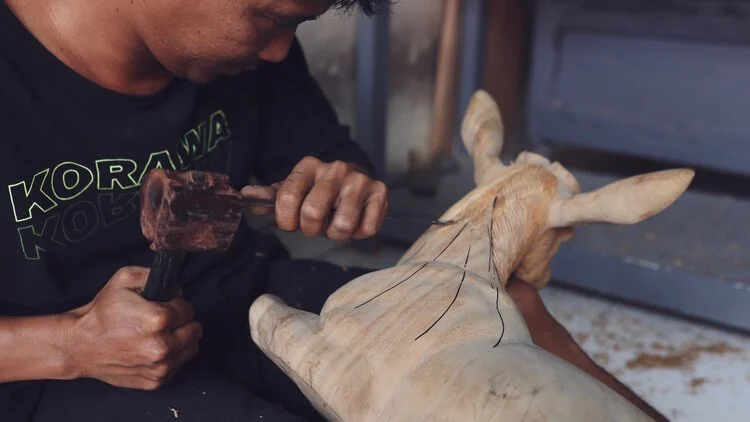
Bonus: Most of the traditional compounds I stayed in doubled as craftsman shops by day, meaning there was tons of great art around, and opportunities to watch the artists at work.
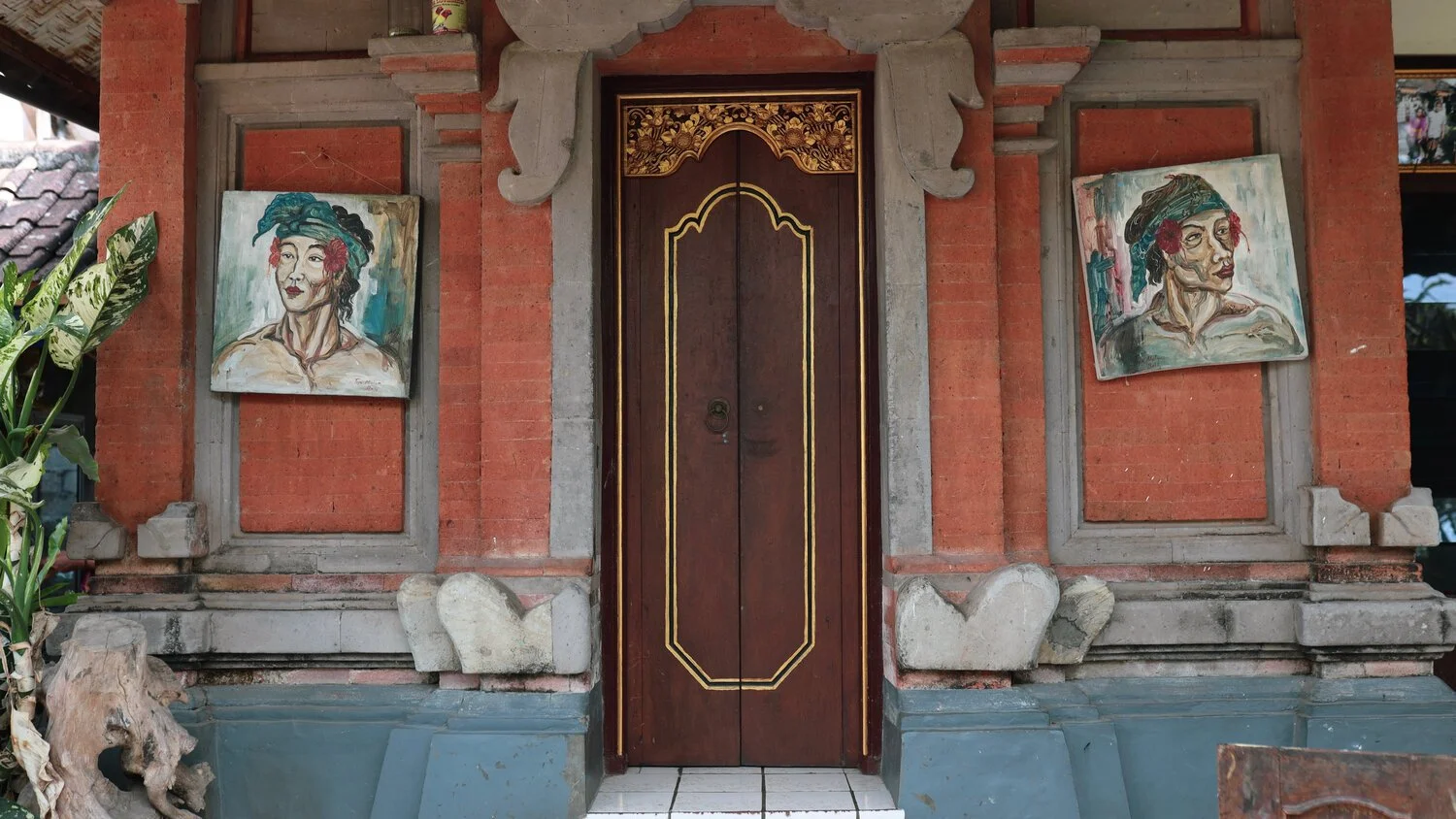
About Balinese Traditional Architecture
Balinese traditional architecture is spiritual as well as beautiful. Traditional architecture follows strict guidelines directly related to Buddhism & Hinduism, the religions historically practiced in the area.
The sacred ideology the architecture adheres to is called the Dharma Principle; a Hindu belief that all things have an ideal location in the universe, and must be in their correct locations in order for the world to be in harmony. A person can only achieve Moksha, a perfect state of being when all things are aligned in Dharma.

The Asta Kosala Kosali is the text that dictates the sacred architectural rules. It was originally inscribed on a palm leaf in ancient Javanese and is still practiced to this day. After completing a home adhering to the Asta Kosala Kosali, a final cleansing ritual called Melaspas must still be undertaken before it can be occupied.
📍Like this? Pin it for Later