Thailand Travel Tips: 25+ Dos & Don’ts from a Frequent Visitor!

Thailand is a country you could spend 10 years exploring and still not see it all. From the mountains in the north to the beaches in the southern islands, I’ve spent over 6 months living in and traveling throughout Thailand. Every time I think I’m “done” with an area, I find out about 10 more cool things to do! It’s an amazing country and I know you’re going to have a fantastic time visiting – Please enjoy these essential travel tips for first-timers.
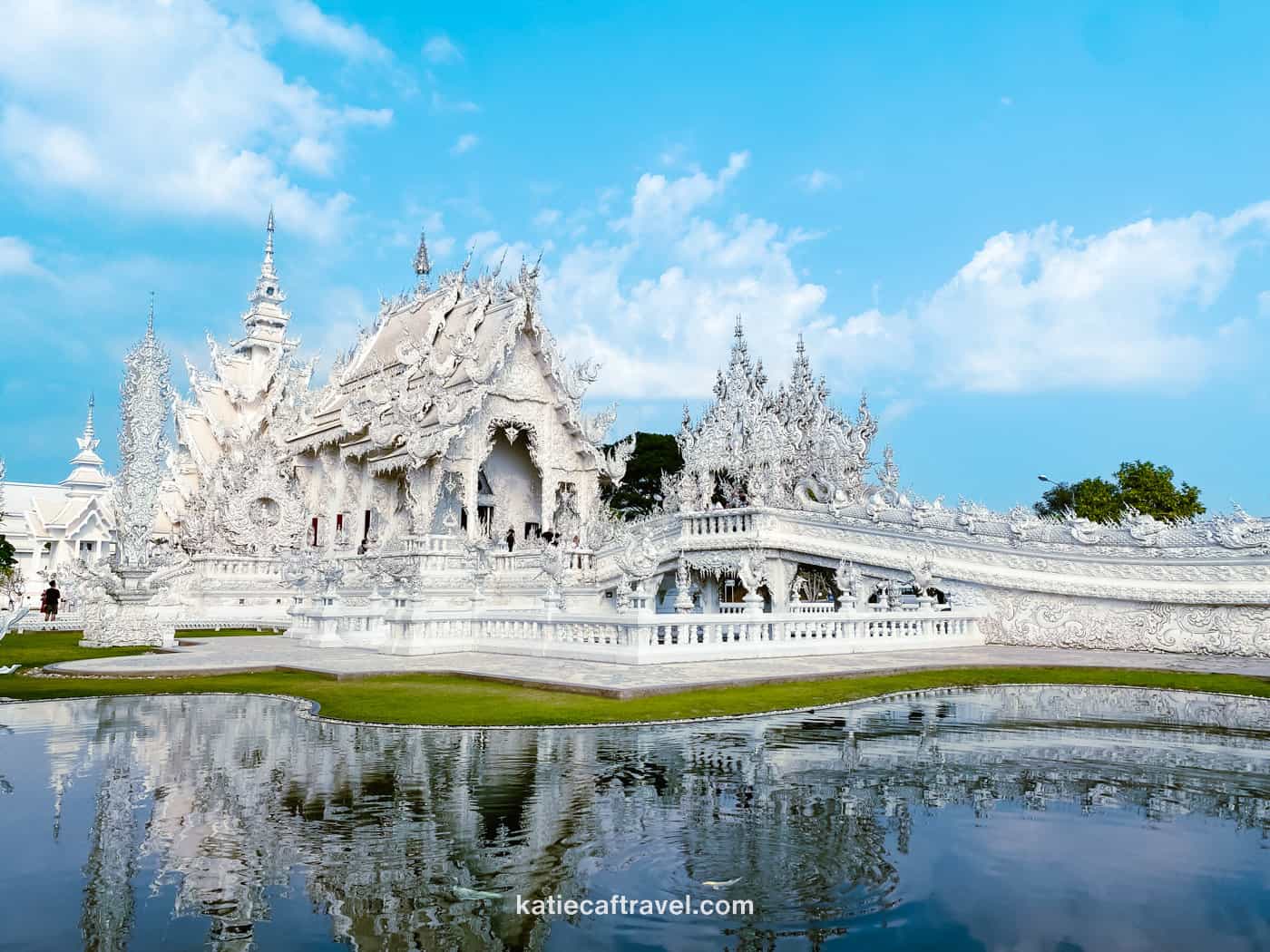
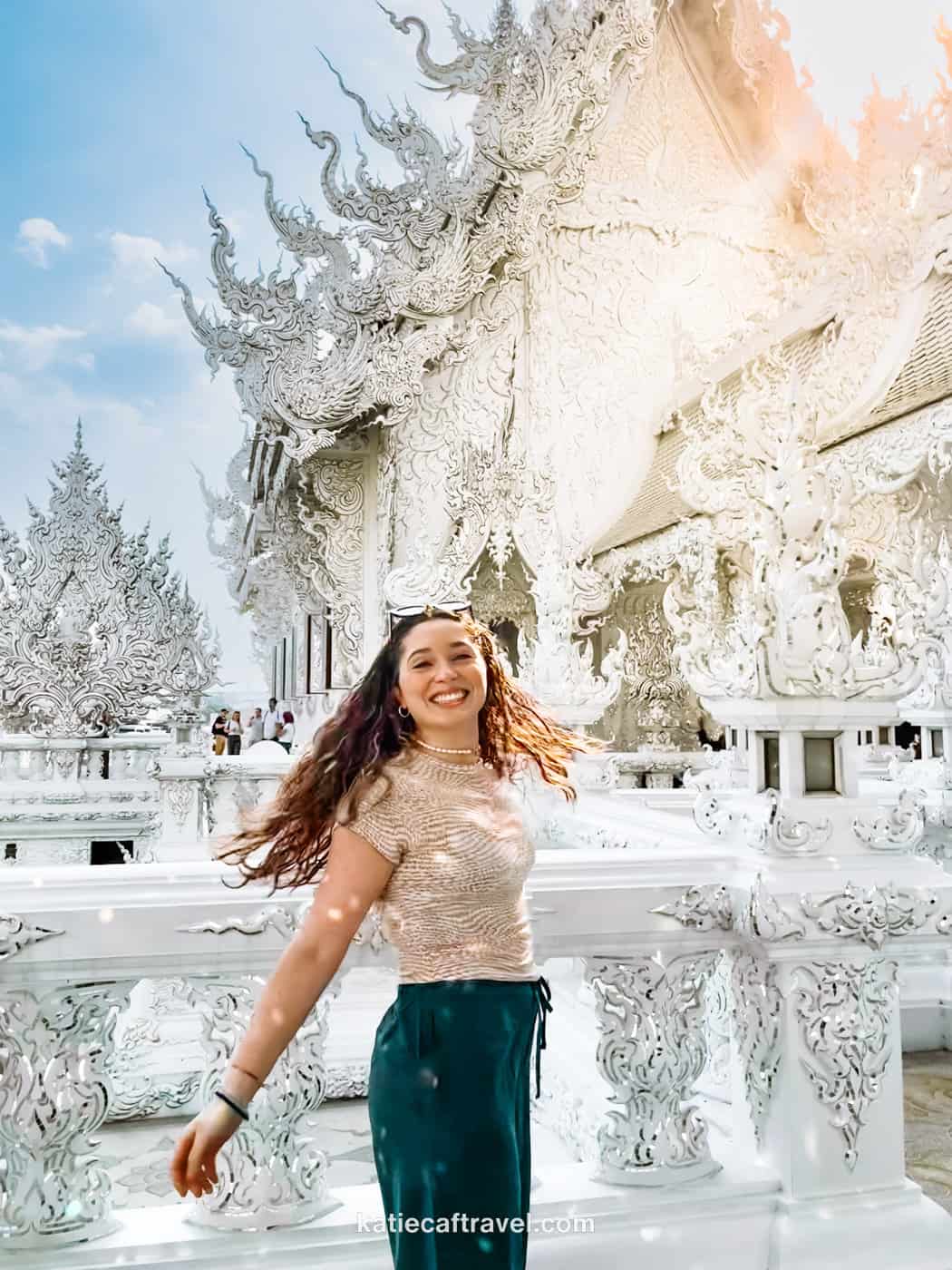
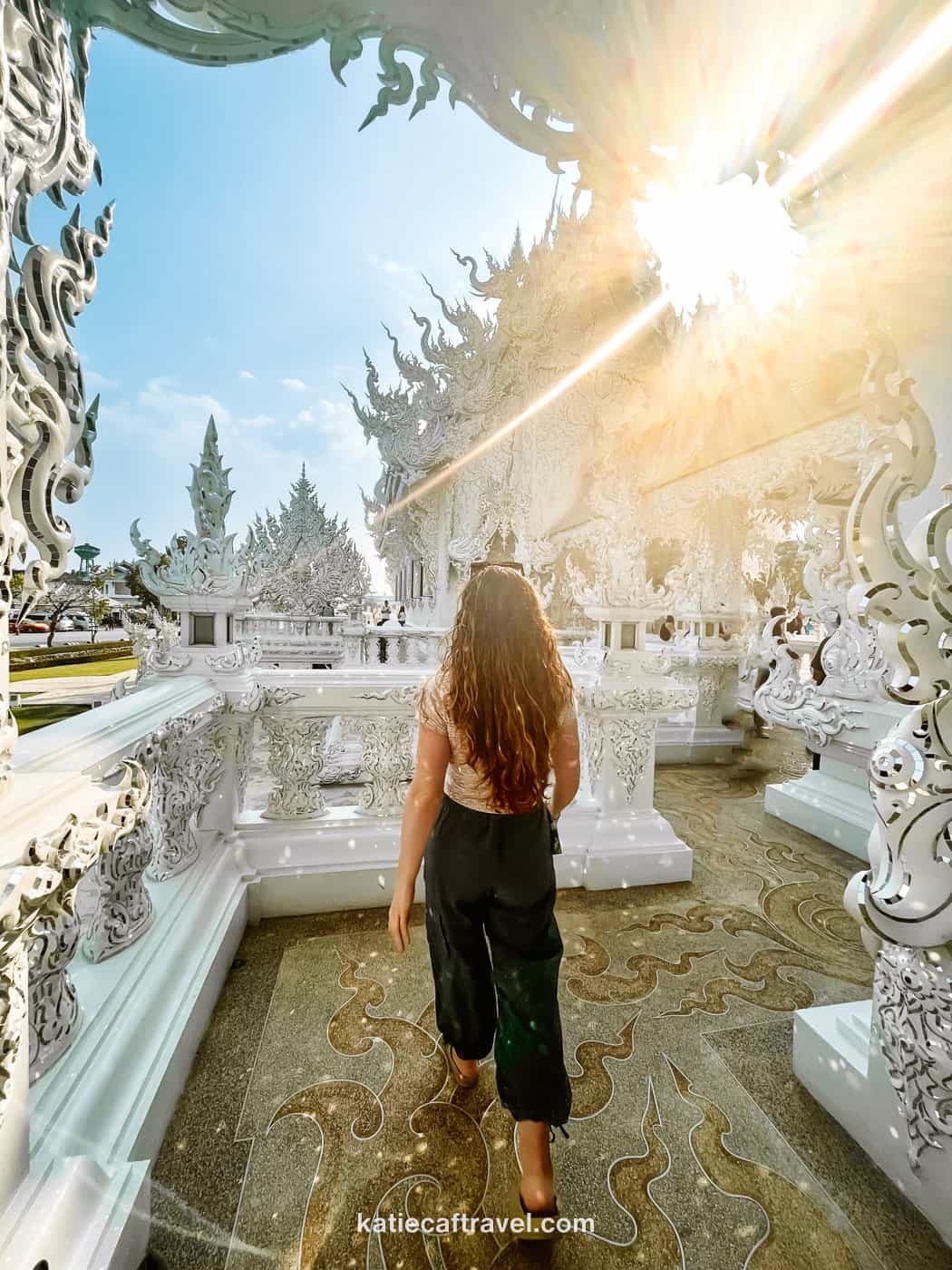
Essential Thailand Travel Tips
1. Do Choose Which Location You Visit Wisely – The North & South are Very Different
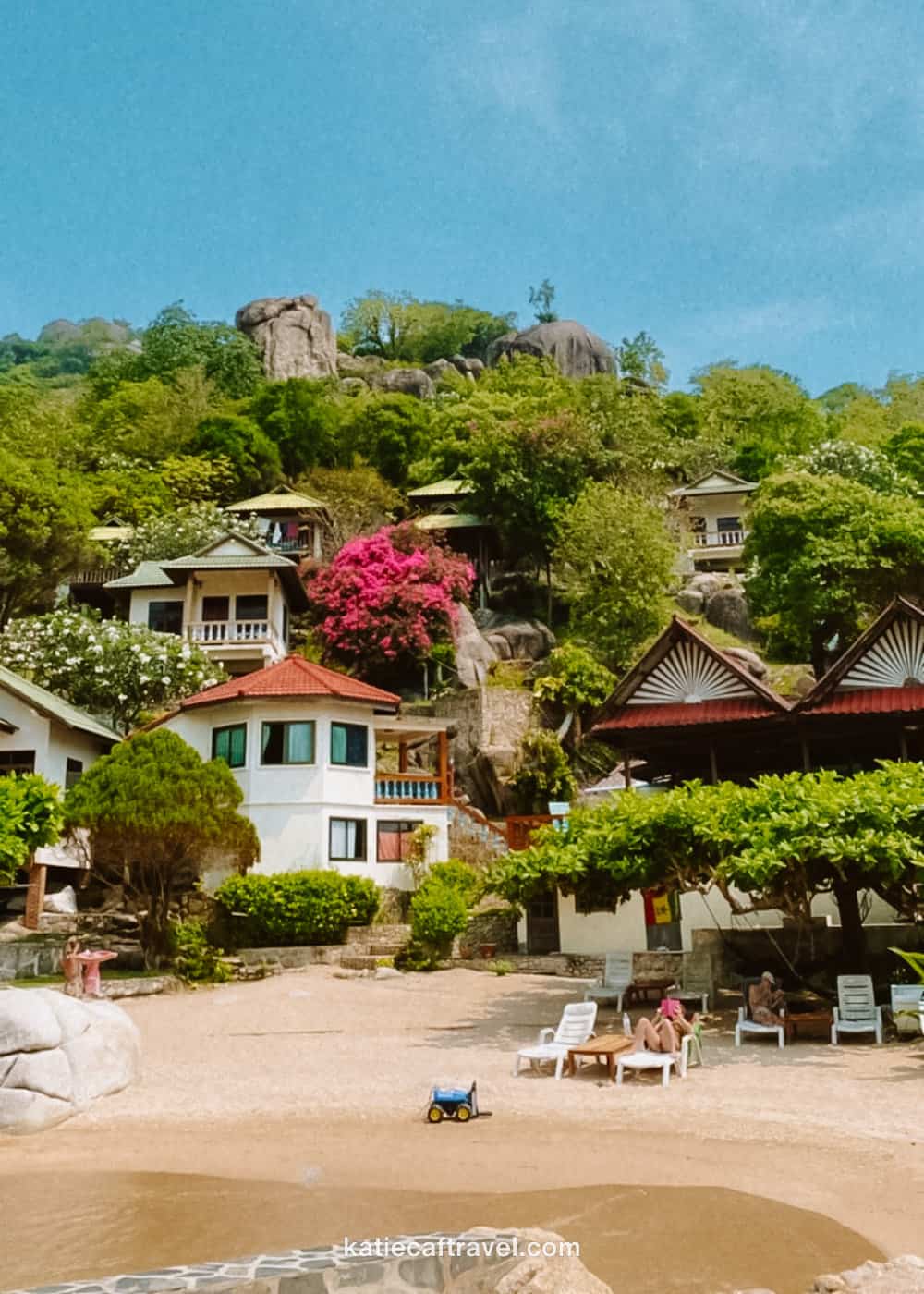
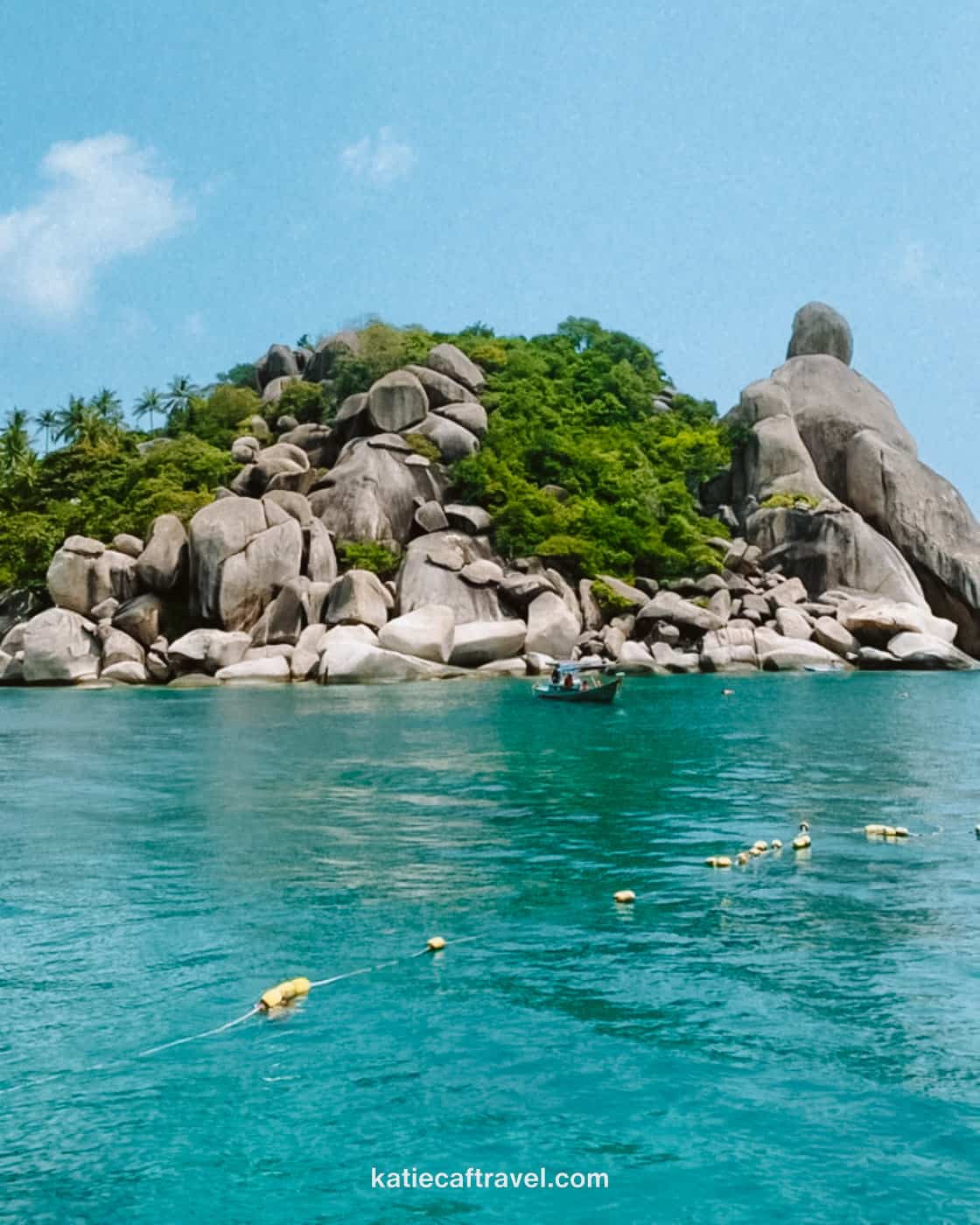
Thailand is one of those special destinations that truly has something for every type of traveler. It’s important to know what type of traveler you are before you go, as each location in Thailand has its own flavor and things it’s known for. For example, if you’re a super chill hippie dude, maybe don’t spend all your time in Bangkok. If you’re looking for untouched nature, you’re probably gonna love Koh Tao more than Phuket.

2. Do Get a Local Thai SIM Card When You Arrive
Buying a local SIM card for use on your cell phone is a great money-saving trick that will make your entire trip better. Local SIMs in Thailand are incredibly affordable, offer unlimited data programs, and work well pretty much anywhere in the country.
📲 Thai Tourist Sims: I get the Dtac “Happy Tourist Sim” right from Bangkok Airport when I arrive in the country. One month of unlimited data takes 5 minutes to set up and costs around $1 per day.
Katie’s Tips ✶
Do know that you need an unlocked phone that supports local SIM cards to use this trick while traveling. If your phone is “locked”, meaning signed up with a cellular provider until it’s paid off, you can buy a super-cheap phone for traveling that will support foreign sims. I’ve seen tons of travelers do this, and then their smartphones from back home will still work off of wifi.
3. Make Sure You Visit On the Right Season
Thailand doesn’t have Winter, Spring, Summer, and Fall. Instead, they have three seasons: Rainy, Dry, and Burning. The rainy season in Thailand stretches from May to October, and the Dry Season runs from November through April. The burning season, which is just in North Thailand, is February through April every year – This is when farmers burn their crops and can make the air smoky and difficult to breathe.
☀️ 🇹🇭 Best Time to Go: November – February. During these months you’ll get the coolest and dryest weather before the burning season starts in the North.


4. Don’t Miss Out on the Street Food
Thai cuisine is world-famous and for a good reason! However, tons of foreigners sadly stick to Western food when they visit Thailand because they’re afraid of food poisoning, or trying new things.
5. Do Frequent the Famed Thai 7-11s
The 7-11s in Thailand are the stuff of legend – Open 24 hours a day, there’s practically one on every street corner in the bigger cities and tourist areas. The first thing I always do when I arrive in Thailand is bee-line straight for the airport 7-11s to get a fresh, warm ham and cheese toasty. (After a night at a Full-Moon Party in the Thai Islands, I managed to put away three of these sandwiches in one sitting! They’re that tasty.)
You can get anything and everything you need at a Thai 7-11, from toiletries like toothpaste and sunscreen (conveniently sold in single-serving pouches) to a full hot meal, and even novelty items like fake eyelashes.
6. Don’t Overstay Your Visa – It’s for 30 Days, Not 1 Month!
It’s important to remember that the Thai tourist visa-on-arrival program allows for a stay of 30 days, not one month! So many backpackers, expats, and long-term vacationers make the mistake of accidentally overstaying their visas because they think they have until one month from their arrival date – nope! 30 days exactly.
Katie’s Tips ✶
You can easily extend your Thai tourist visa on arrival at any immigration office in Thailand for an extra 30 days. It only takes around an hour.
Cultural Travel Tips
7. Do Brush Up on Your Thai (At Least a Little Bit)
That is not an easy language for English speakers to learn! It uses a completely different alphabet and sound structure. Luckily, in most places in Thailand, you can get around with English and Google Translate.
✔️ Quick Guide – Essential Thai Phrases
Hello/Goodbye: Sah Wah Dee – Khrap (for Men) – Kah (for women)
Thank you: Khop Khun Kha (for women) – Khop Khun Khap (for men)
8. Don’t Forget to Take Your Shoes Off
Taking your shoes off is a popular cultural practice in most countries I’ve traveled to in Asia, however, it’s on a different level in Thailand. Even in nicer cafes, hotels, spas, and shops, you might be asked to take your shoes off before entering. If you see a row of shoes by the door, it’s best to just take yours off in practice, because someone will correct you if you’re breaking the shoes-inside rule!


9. Don’t Miss Out on the Thai Festivals
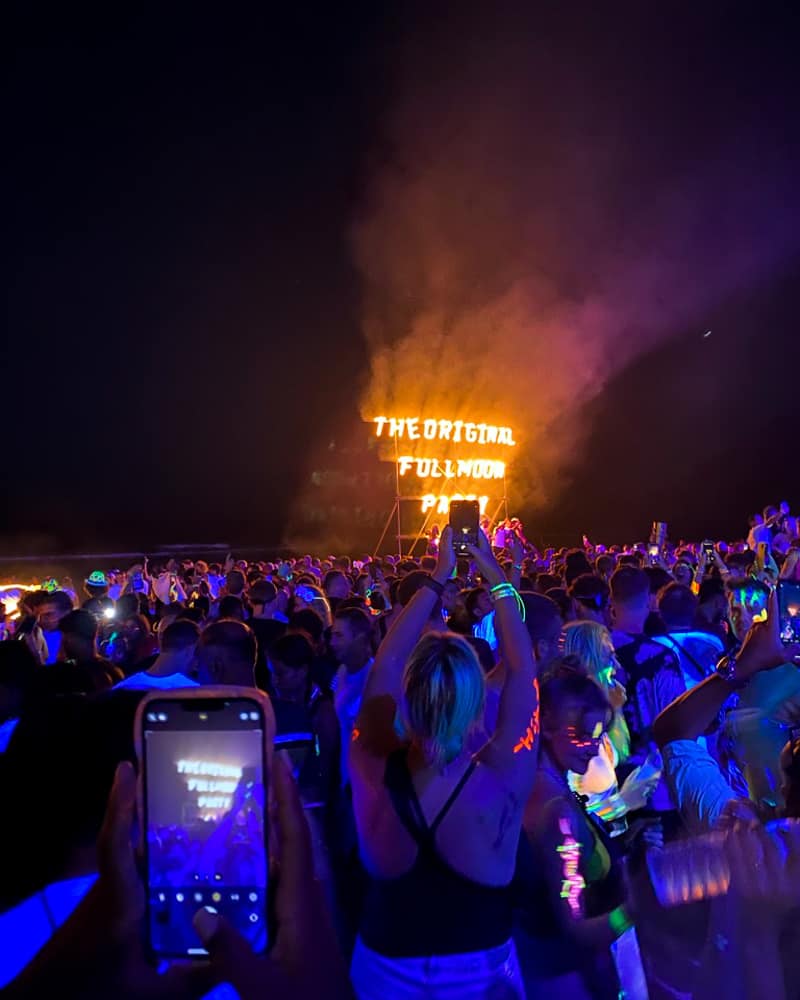
The festivals in Thailand are specific to the country and if your trip coincides with any of them you should definitely make an effort to attend!
10. Do Know the Thai People Are So Incredibly Friendly
Thailand is home to consistently the nicest locals I’ve ever met in my entire life. Everyone, even in the biggest cities, is so incredibly kind.
11. Don’t Forget to Visit a Ladyboy Cabaret
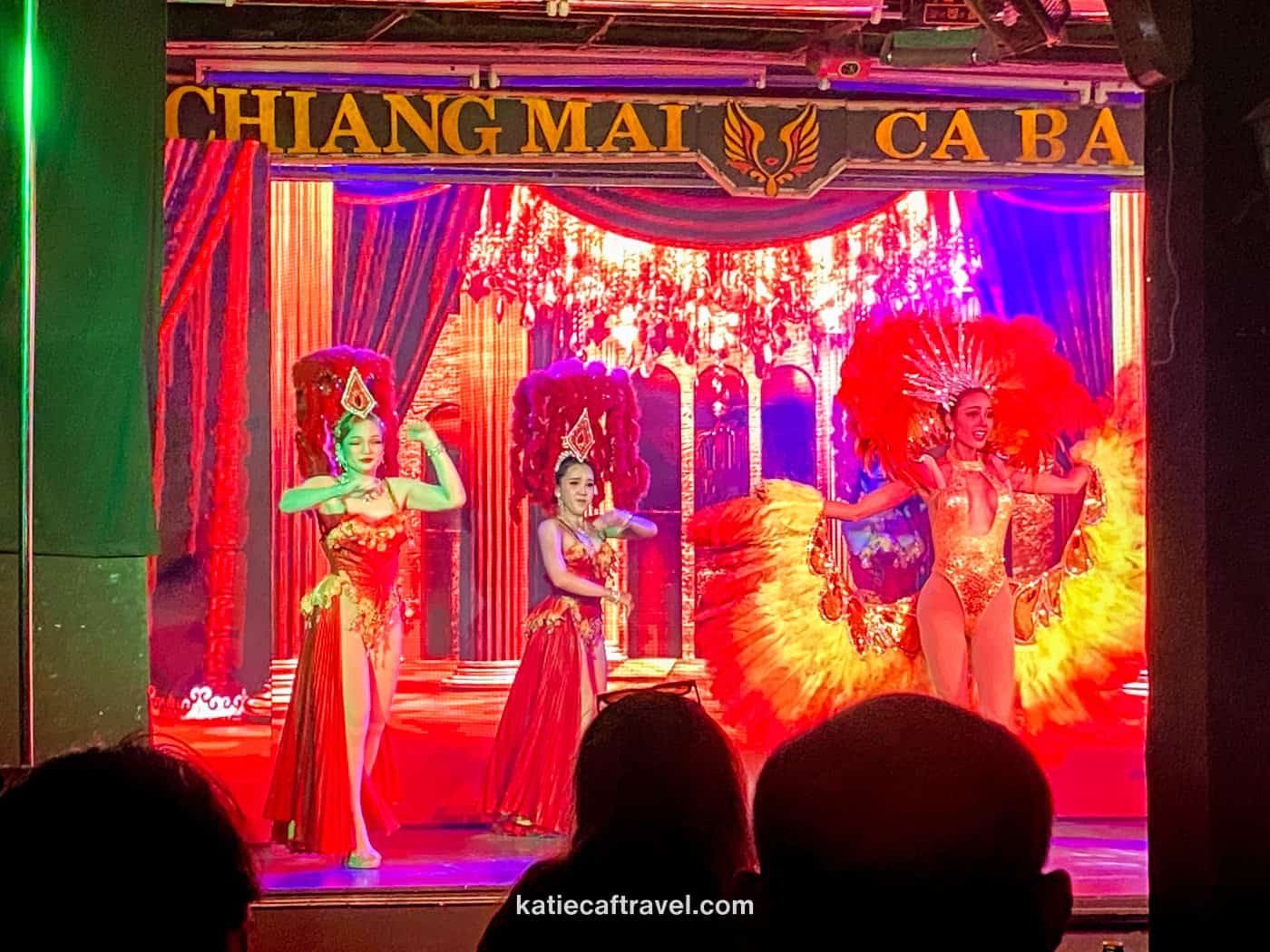
Nope, I’m not being un-PC. In Thailand, many people we would call trans women in the West prefer the term Ladyboy. You’ll see Ladyboy cabarets all over the country, which are so much fun and definitely a not-to-miss show!
Katie’s Tips ✶
While these shows are great fun, they do tend to be a little raunchy and I wouldn’t recommend bringing kids.
12. Don’t Be Surprised to See People Playing the Lottery on the Street
If you pass by a stall with a vendor selling colorful pieces of paper in any city in Thailand, know that those are probably lottery tickets! Usually sold for around 100 baht per ticket, anyone can play the lottery. However, if you don’t know how to read Thai, you might have a problem knowing whether you’ve won 😉.
13. Do Know About the Thai Concept of “Saving Face”
The Thai concept of Saving Face is an interesting cultural quirk that goes far beyond what I can explain as a foreigner. To dumb it way down, basically sometimes if you ask a Thai person a question, instead of saying “I don’t know”, they might make up a fake answer. This is basically to avoid being rude by not having an answer to someone’s question, and also so the person answering the question isn’t embarrassed by not knowing – I’ve only encountered this situation while asking for directions.

14. Don’t Disrespect the Buddhist Religion (Especially for Women!)
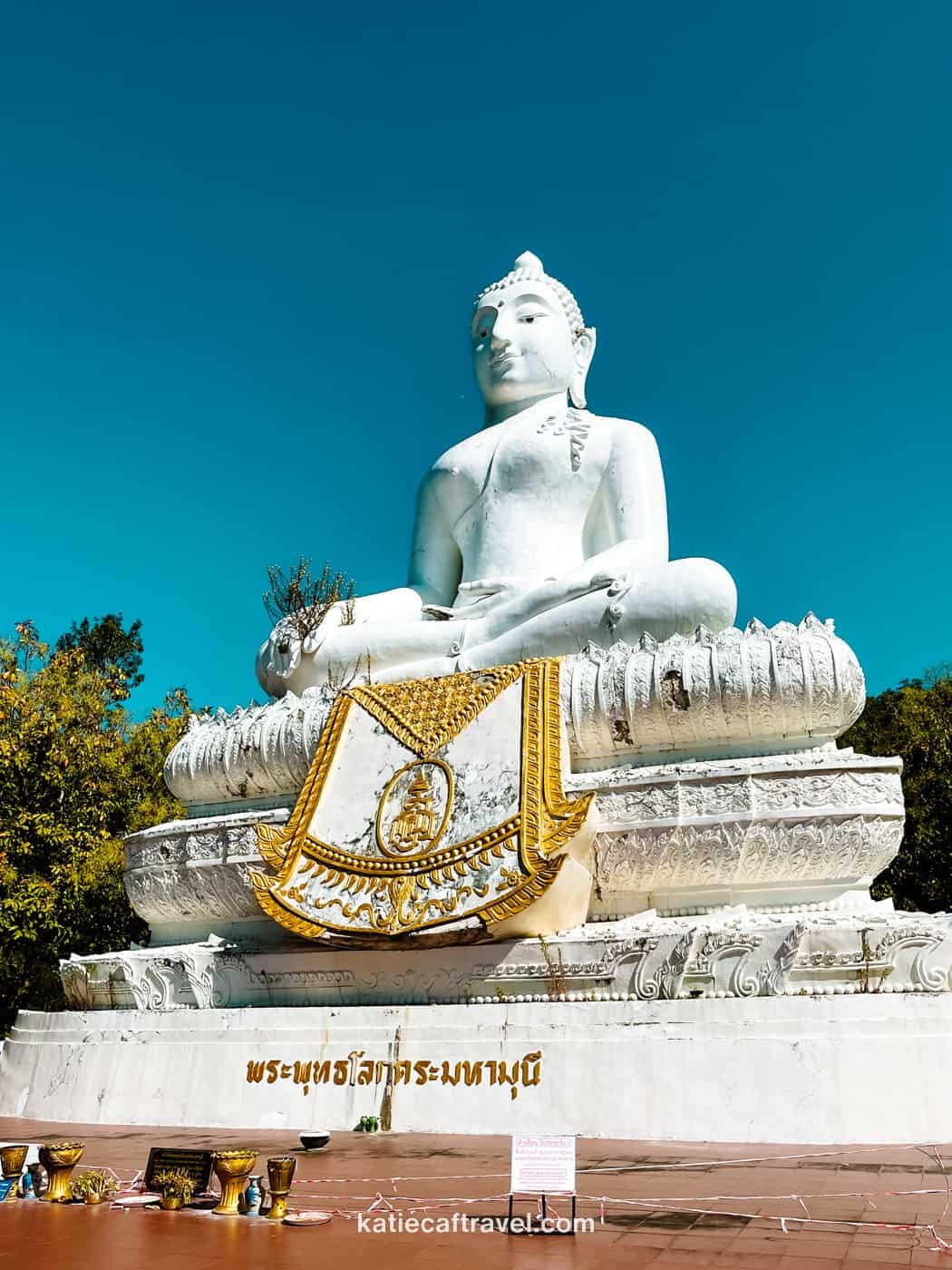
When visiting the temples in Thailand, both men and women will be expected to cover their knees and shoulders. If you don’t have appropriate clothing on you, sarongs are usually available for rent at the temples. Another thing to note is that there are some sacred sites in Thailand where women are not allowed to enter and will denote so with a sign saying “No Women Allowed” at temple entrances. This is a touchy subject with female travelers in Thailand especially, but the Thai Buddhist religion is sacred in this country and we foreigners are guests who get to enjoy the good parts and witness the bad.


Transportation Travel Tips
15. Do Download Grab (Thailand’s Version of Uber)
Uber doesn’t work in Thailand, but instead they have Grab, which is like Uber but even better. Grab is what’s called a “Super App” and it can do everything from calling a taxi to paying your electricity bills. I use the Grab app for my airport transfers when I arrive in Thailand, it’s much cheaper than taxis. The Grab App also accepts international credit cards without fees, which is super rare in cash-first Thailand.
Katie’s Tips ✶
While Grab is an amazing service I couldn’t live without in Thailand, do know it only works well in the cities. If you’re in Bangkok, Chiang Mai, and even Phuket, Grab should work pretty well, but anywhere more remote either won’t have access or it will be price-hiked due to scarcity.
16. Don’t Drive a Scooter Unless You Know How
I wouldn’t recommend driving a scooter for the first time if you’re just coming to Thailand on a short trip, like two weeks or less. You’re putting yourself, and others, in danger on the road. If you really want to learn to drive a scooter, make sure you have wide, open, and well-paved roads with little traffic. The north of Thailand would be best for this.
🏙️ Budget Tip: If you’re in a city like Bangkok or Chaing Mai you can just use Grab to get around, which will likely be cheaper than renting a scooter for a day!
17. Do Know About the Thai Concept of “Sharing the Road”
You’ll see signs if you’re driving a scooter in Thailand that say “Share the Road!”. This doesn’t just mean to drive in your lane, instead in Thailand there’s a great etiquette around driving that makes it safer for everyone. Basically, scooters are expected to stay on the left-hand side of the road, preferably on the shoulder if there is one, and cars drive in the center of the lanes. If you try to take up a whole lane as a scooter driver you will be honked at for not sharing the road.
18. Do Know About 12GoAsia for Online Booking Transportation (Accepts Foreign Cards)
I couldn’t live without 12GoAsia while traveling through SE Asia. It’s basically a huge booking platform with tons of different providers that sell buses, trains, ferries, etc. I used it for booking overnight trains, and both short and long-haul buses in Thailand. You can also use 12GoAsia for booking private transfer services. They take international credit cards and cut out any possible language barriers you might have.
Katie’s Tips ✶
Even if I already know how I’m going to be traveling from point A to point B, I still search the route on 12GoAsia before my trip, as sometimes there’s a cheaper/better/faster option I don’t know about. For example, everyone knows about taking the slow boat from North Thailand to Laos, but after searching on 12GoAsia I found out there’s also a sleeper train you can take from Bangkok to Laos!
19. Don’t Take a TukTuk in Bangkok – They’re Tourist Traps & the Locals Don’t Use Them
The TukTuks, otherwise called Rickshaws, where a carriage is built around a motorbike to carry multiple passengers, is a popular way to get around in lots of SE Asian countries. However, in Bangkok specifically, the TukTuks are a bit of a tourist trap. You’ll find TukTuks calling foreigners to take a ride (for a much higher rate than a normal taxi) from popular tourist spots like Khaosan Road and Chatuchak Market. Nothing bad will happen if you take one, the ride will just cost more than a Grab car or scooter taxi.

Money and Budgeting Tips
20. Don’t Rely on Your Credit Card – Many Places are Cash Only
Even in the cities in Thailand, I was surprised that almost nowhere else took credit cards. I have had much more luck using my card in Bali than in Bangkok, which is kinda crazy when you think about it! When credit card payments are available, they will almost always come with a 3-5% surcharge. I’ve been told that this charge is technically illegal in Thailand, but good luck pleading your case for that – It’s the norm and enforced on credit card and debit payments almost everywhere. Even at the famed 7-11s, they have a 200 Baht ($6) minimum for card payments.
21. Do Be Aware of the Obligatory ATM Fees – 220 Baht Per Withdrawl
This one is annoying – The best way to get Thai Baht out is by using an ATM. ATMs are pretty much everywhere in Thailand, and they pay out at the Interbank Exchange Rate, which is usually far more generous than what cash conversion counters charge. The problem is, that all Thai ATMs charge a 220 Baht ($6) withdrawal fee per transaction. If your home bank also leverages charges for foreign exchange and ATM withdrawals, this can add up pretty fast.
Katie’s Tips ✶
Apparently, if you go inside larger banks with your passport and debit card and say something like “I forgot my PIN number” they will do the withdrawal for you without charging the ATM fee. This worked for my friends, but I haven’t tried it yet myself.
22. Don’t Accept the ATM/Bank Conversion Rate – You Can Reject it to Save $$$ on Withdrawls
This is a common “scam” all over the world. Basically, some ATMs will show a screen asking that you accept the bank’s conversion rate, which usually leverages extra fees anywhere from 4-14%. Most travelers don’t know you can click “reject bank’s conversion” and the transaction will still go through – Always reject the bank’s conversion rate!


Health and Safety Tips
23. Don’t Drink the Tap Water
Tap water isn’t safe to drink in Thailand, and you’re not supposed to even use it to brush your teeth! I travel with my Grayl Travel Water bottle so I can drink the tap water wherever I am, but I actually have never had to use it in Thailand as most hotels, hostels, and resorts provide complimentary drinking water.
24. Do Be Aware That Mosquitos Carry Diseases & to Use Bug Spray Every Day
Dengue, a tropical disease transmitted by mosquito bites, is a big problem in certain areas of Thailand. I personally put on bug spray after I shower every day in Thailand, and re-apply come evening or if I’m going out into a more jungle-ish area.
Katie’s Tips ✶
You can buy the best bug spray I’ve ever used, called “Soffel” at any 7-11 in Thailand for around $1. It doesn’t smell bad, and works great to fend off the mozzies!
25. Do Carry Your Own Toilet Paper – The Locals Rarely Use It
Compared to other countries I’ve traveled in SE Asia, Thailand has way more Western-style toilets. Unless you’re really going out into the wilderness, you likely won’t have to use a squat toilet (unless you want to!). Toilet paper isn’t completely the norm here, and most locals opt to use the “bum gun” instead. If you’re used to toilet paper, you’ll likely have to carry a stash around for your own personal use. In my experience, even at nicer restaurants, it’s not a guarantee they’ll have TP.
🚽 More About Toilets You cannot flush toilet paper anywhere in Thailand, even at 5-star resorts. The sewage systems aren’t up for it. Instead, all hotels, restaurants, cafes, etc, will usually provide a trash bin in the bathroom for paper.
26. Do Get Used to the Geckos – They’re Harmless (but Annoying!)
All over SE Asia, whether you’re staying in a $10 per night hostel or a $1,000 per night villa, you’ll probably have a Common House Gecko in your room. They’re not dangerous by any means, they don’t bite and even if they did, they don’t have any venom.In fact, they’re pretty helpful to have in your house, since they’ll eat insects and smaller pests. That being said, the Common House Geckos are unfortunately extremely annoying. All through the night you’ll be able to hear their signature “bark” – It sounds like someone going “chuck, chuck, chuck” in the back of their throat.

How much does the visa cost?
Hello! For many countries the thai Visa on arrival is free, you can check out your gov. com site to see if you qualify.